Cataracts
Inside our eyes, we all have a natural lens. The lens bends (refracts) light rays that come into the eye to help us see. The video below, on behalf of the America Ophthalmology Association, helps explain cataracts.
Vision Problems with Cataracts
What Are the Symptoms of Cataracts?
Here are some vision changes you may notice if you have a cataract:
- Having blurry vision
- Double vision (when you see two images instead of one)
- Being very sensitive to light
- Having difficulty seeing at night, or needing more light when you read
- Seeing bright colors as faded or yellow instead
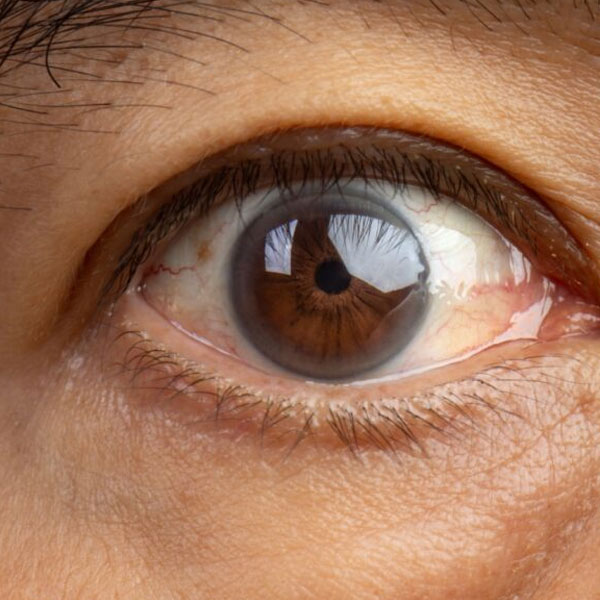
- Dull or yellow vision from cataracts.
- Blurry or dim vision is a symptom of cataracts.
- Distortion or ghost images from cataracts.
What Causes Cataracts?
Aging is the most common cause. This is due to normal eye changes that happen starting around age 40. That is when normal proteins in the lens start to break down. This is what causes the lens to get cloudy. People over age 60 usually start to have some clouding of their lenses. However, vision problems may not happen until years later.
Other reasons you may get cataracts include:
- Having parents, brothers, sisters, or other family members who have cataracts
- Having certain medical problems, such as diabetes
- Having had an eye injury, eye surgery, or radiation treatments on your upper body
- Having spent a lot of time in the sun, especially without sunglasses
- Using certain medications such as corticosteroids, which may cause early formation of cataracts.
- Most age-related cataracts develop gradually. Other cataracts can develop more quickly, such as those in younger people or those in people with diabetes. Doctors cannot predict how quickly a person’s cataract will develop.
Credit: American Ophthalmology Association
Written By: Kierstan Boyd
Reviewed By: Kendra Denise DeAngelis
Edited By: David Turbert
Oct. 01, 2019
Pediatric Cataracts-
Types and Causes may Vary
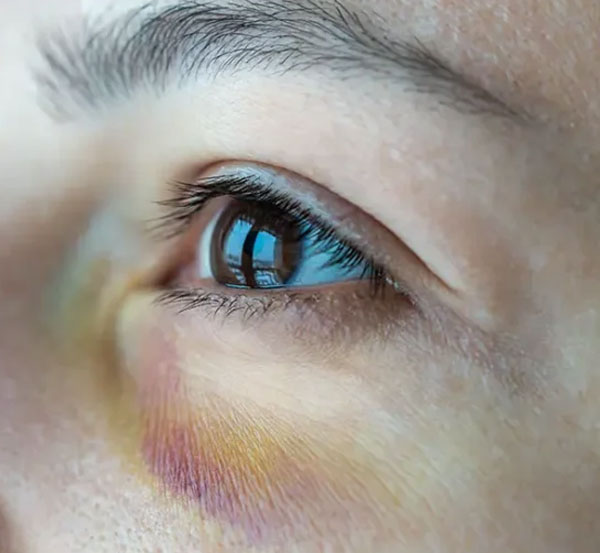
- Pediatric cataracts can be caused by a trauma or injury
- Can be congenital (present at birth) or acquired (develop after birth).
- They can occur in one eye (unilateral) or both eyes (bi-lateral).
- Bi-lateral cataracts can be asymmetric (one cataract is more severe than the other).
- Cataracts may appear in different parts of the lens and range in size from tiny dots to dense clouds.
- They can be caused by genetic predisposition, metabolic disorders such as diabetes or trauma to the eye that damages the lens. Sometimes they occur spontaneously.
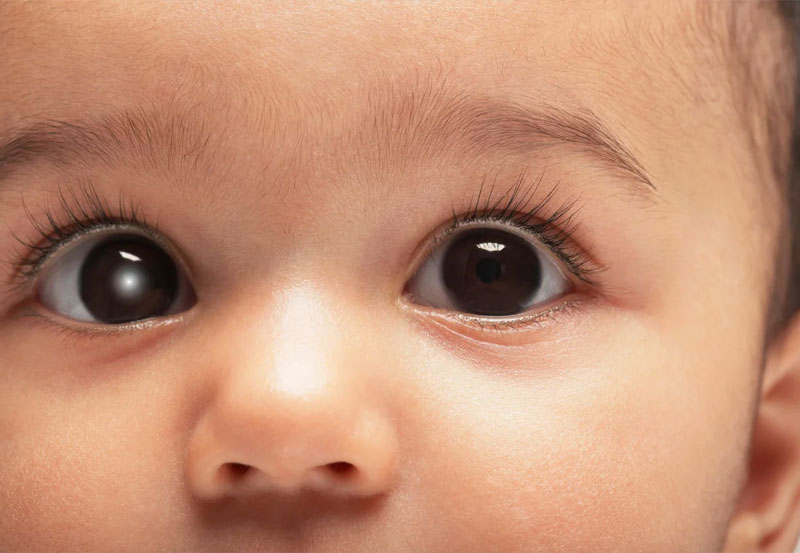
For children, whose eyes and brain are still learning to see, distortion can lead to lazy eye (amblyopia). Without proper treatment, pediatric cataracts can cause abnormal connections between the brain and the eye. Once made, these connections are irreversible.